Uganda - The Pearl of East Africa
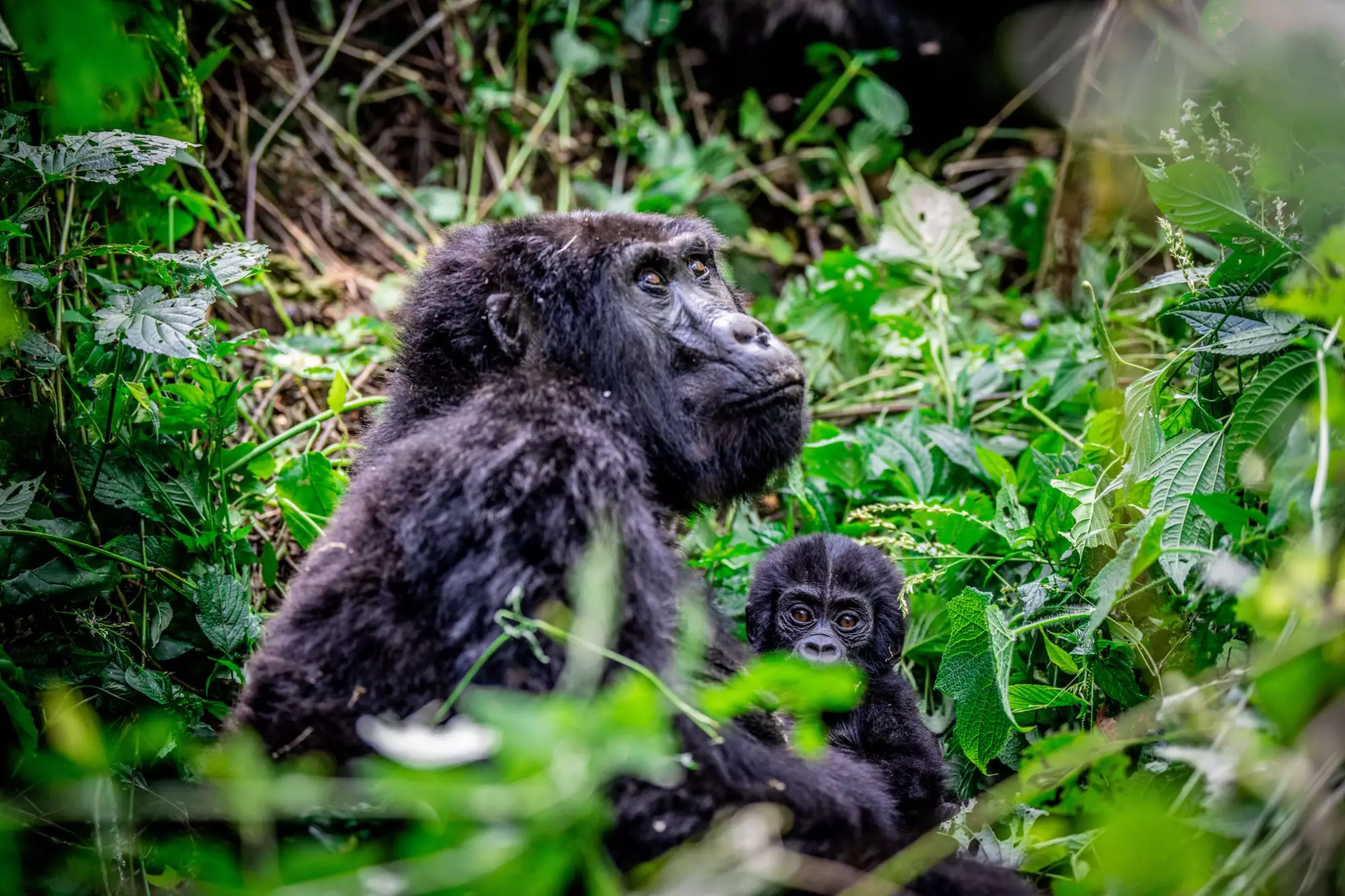
A country rich in natural beauty and cultural diversity, located in the heart of East Africa, it is home to breathtaking mountains, vast savannas, impressive lakes such as Lake Victoria—the largest freshwater lake in Africa—and dense rainforests, including Bwindi Impenetrable National Park, home to the endangered mountain gorillas and a major attraction for ecotourists from around the world.

Interesting Facts About Uganda
People
Uganda is home to more than 40 different ethnic groups that speak a variety of languages, with English serving as their common language. Although Uganda faces a number of challenges, including poverty, political instability, and health issues such as the HIV/AIDS epidemic and a high incidence of malaria, it is also known for the hospitality and warmth of its people.
Mountain Gorillas
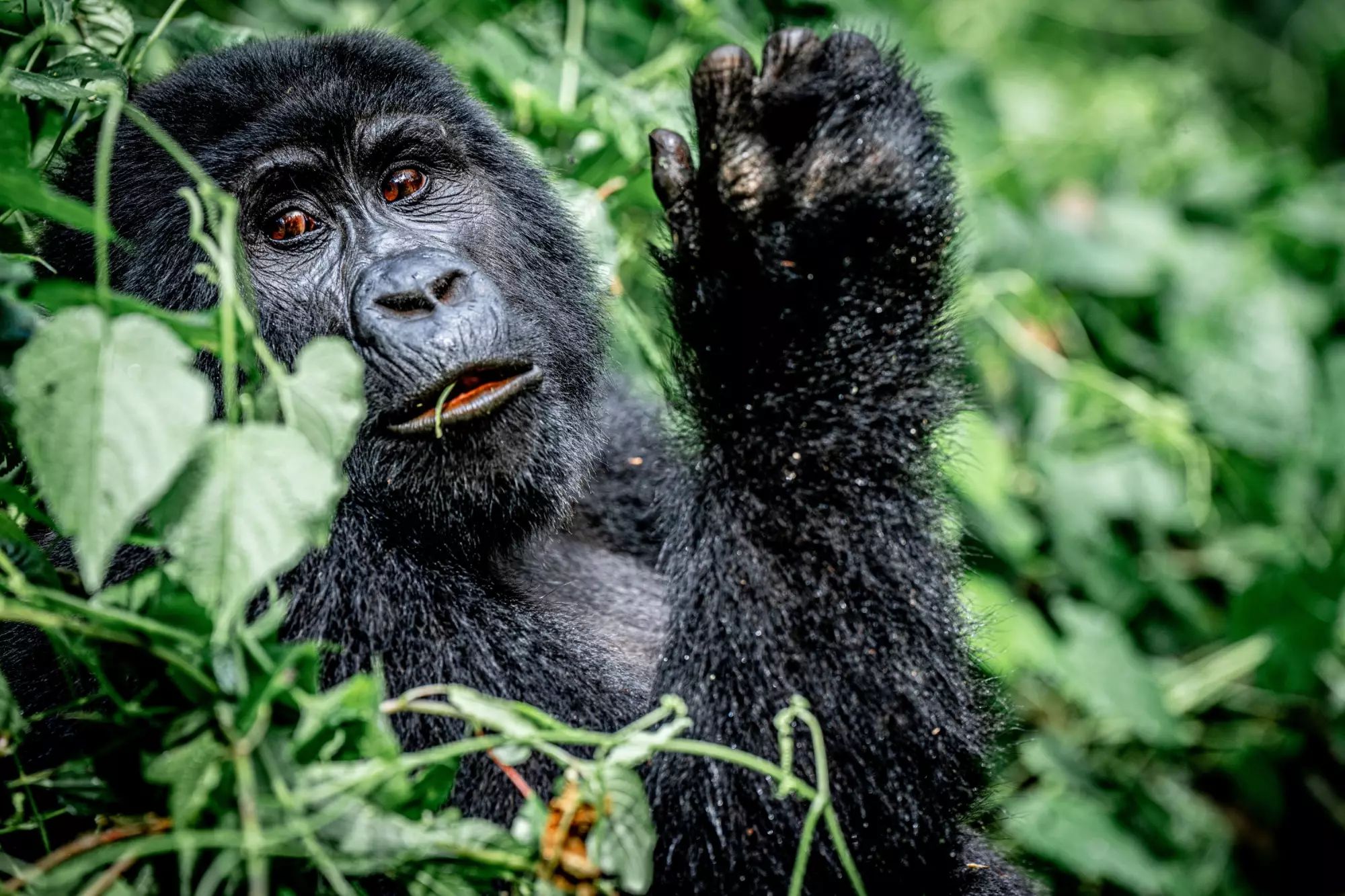
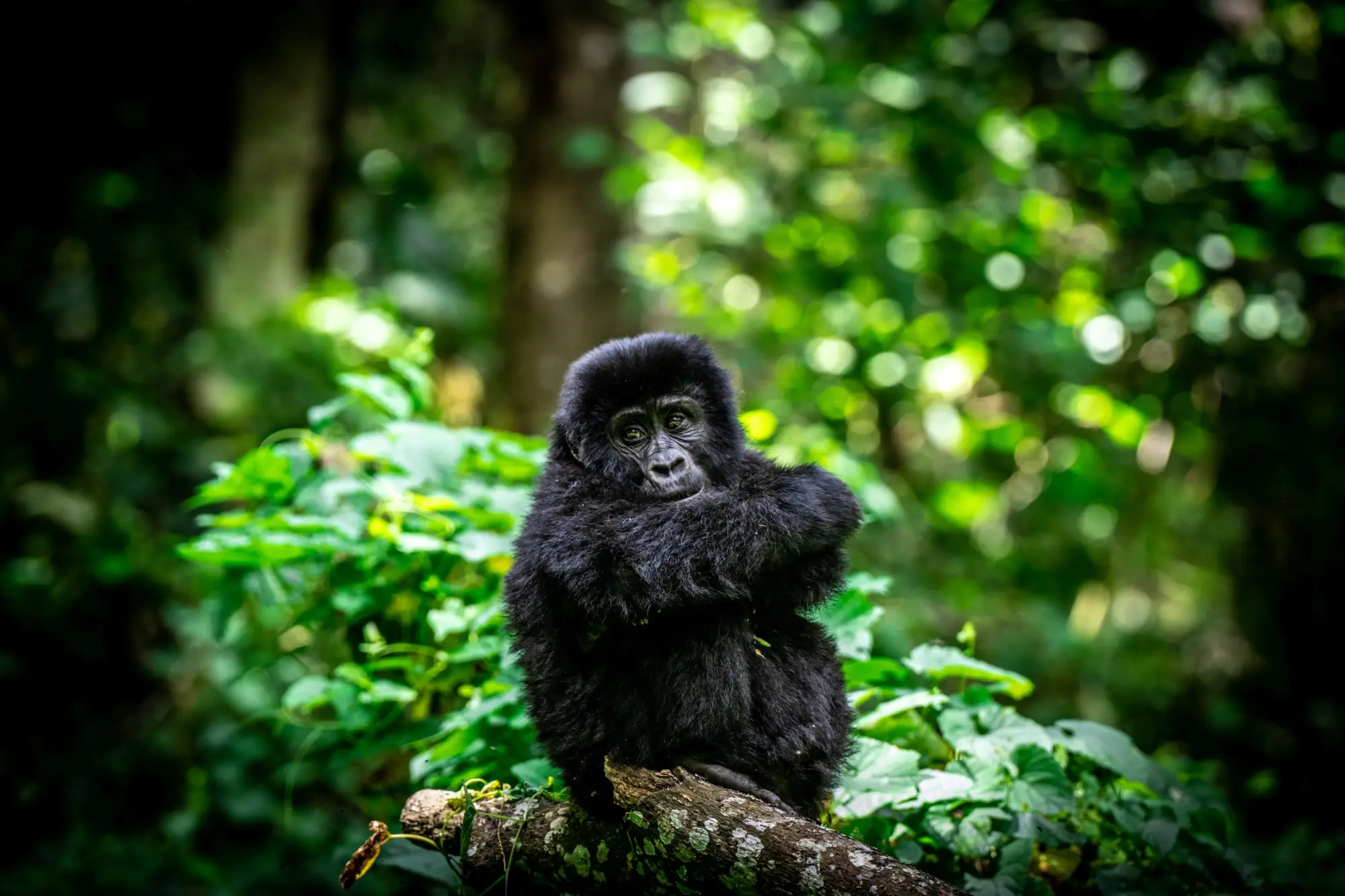
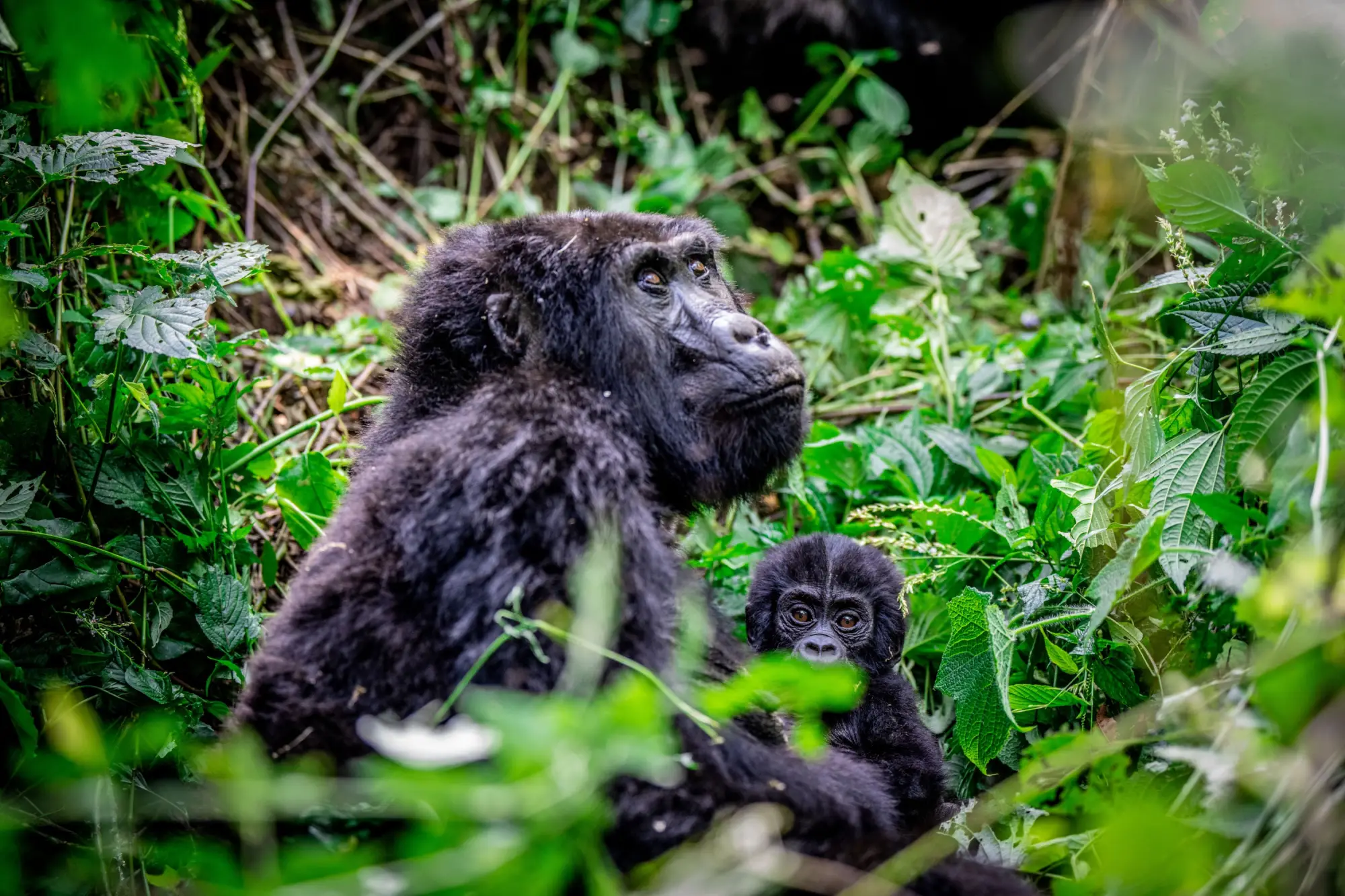
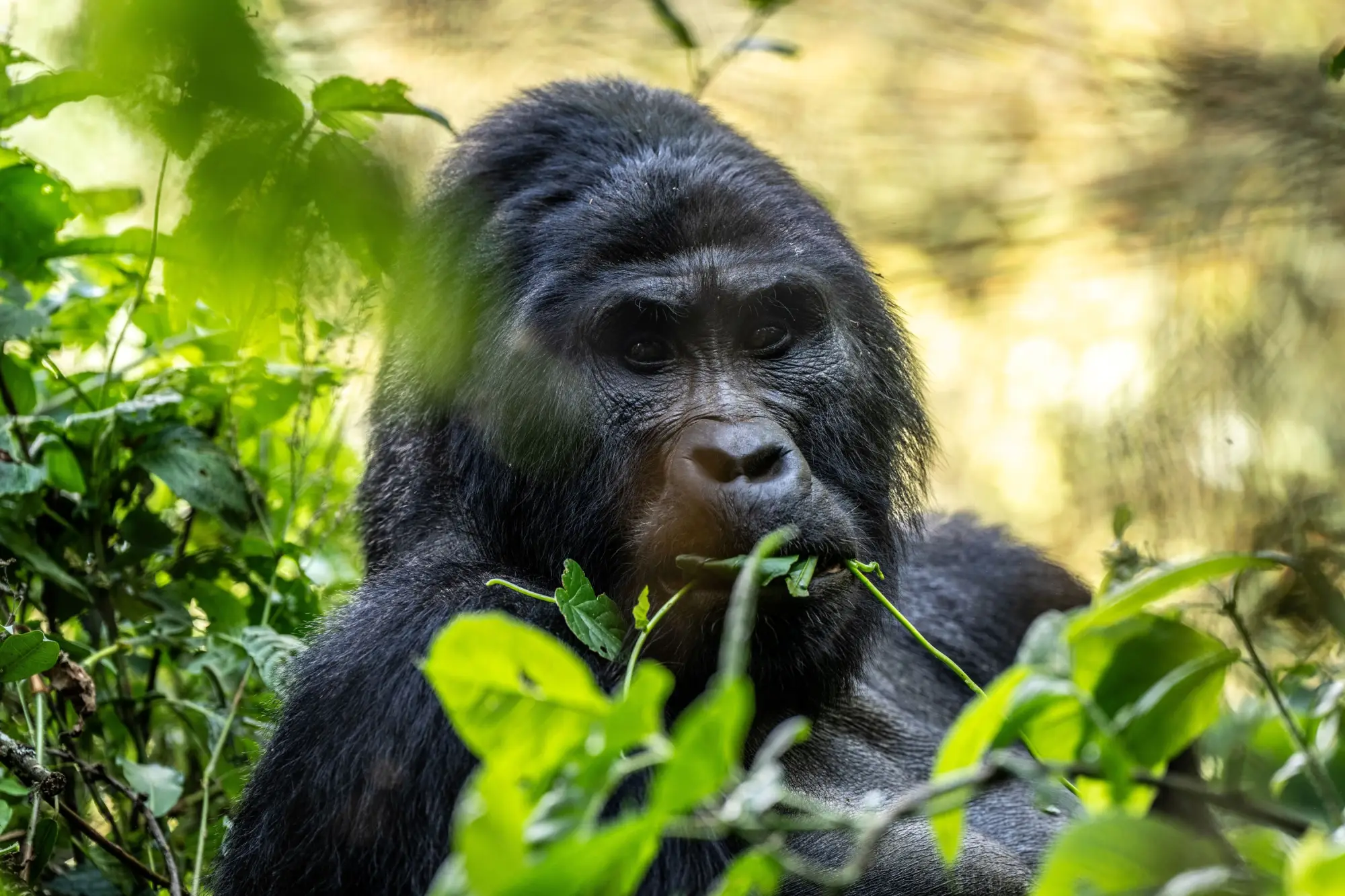
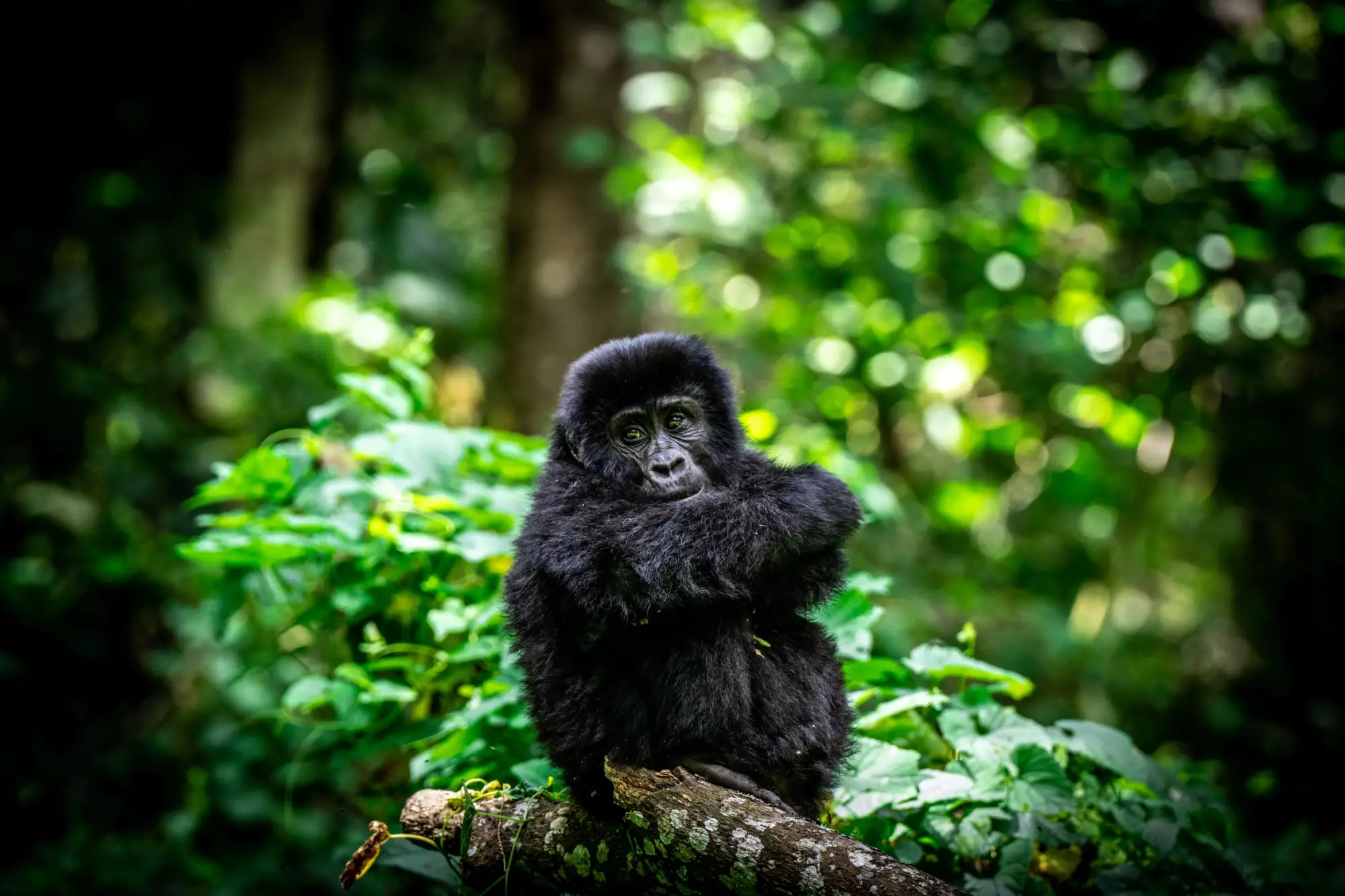
Bwindi Impenetrable National Park is one of the most important protected natural areas in Uganda and one of the world's most valuable wildlife reserves. Located in southwestern Uganda, it is home to approximately half of the world's population of mountain gorillas. These majestic primates are among the most endangered species on the planet, with a population estimated at only a little over a thousand individuals. The main threats to their survival include habitat loss caused by deforestation, poaching, and diseases transmitted from humans. Tourism, particularly gorilla trekking, has become an important source of funding for the conservation of gorillas and their habitat. The governments of Uganda, Rwanda, and the Democratic Republic of the Congo work together with local and international organizations to protect this rare species. Mountain gorillas live in family groups that usually consist of between 5 and 30 individuals. Each group is led by a dominant male, typically the oldest and strongest member, known as a Silverback. He gets his name from the distinctive silver-gray hair that develops across his back as he matures.
Our Trip To Uganda
Length of Stay: 6 nights – May/June 2023 (children aged 7 and 8)
Accommodation:
Mburo Eagles Nest (tented camp – the tents are equipped with a private bathroom, a bed, and solar-powered electricity)
Mutanda Lake Resort (a resort overlooking Lake Mutanda – in our opinion, the most beautiful accommodation of the trip)
Pineapple Guest House (a small guesthouse)
Restaurants: Breakfast and dinner were always served at our accommodation, and for lunch we either took packed meals prepared by the hosts or stopped along the way at a café, bistro, or small restaurant.
For our second trip to Tanzania, we wanted to add something new—something that would stay with us forever. That something was a visit to the mountain gorillas. The idea had been growing in our minds for a long time. At first, we considered Rwanda, but after consulting a travel agency, we chose Uganda instead. The reasons were clear: a safer environment and, above all, the price. In 2023, Rwanda charged USD 1,500 for a gorilla permit, while Uganda charged “only” USD 800. A difference well worth considering.
Right after landing, however, we encountered a minor complication. Our luggage got stuck in Cairo, and on top of that, our drone was confiscated. In Uganda, drones are simply stored, registered, and returned upon departure. Fine—we could survive without a drone. Our first activity was a visit to the chimpanzees. Before the trip, we had to provide negative tuberculosis test results and proof of various vaccinations. This time, our children could not join us, as access to the chimpanzees is restricted to visitors above a certain age.
We were introduced to a group of young chimpanzees. One was a real troublemaker, another was an affectionate female who stayed close to us the entire time, and there were two more little rascals as well. They searched us like customs officers—checking pockets, zippers, everything—because they obviously knew we were hiding bananas. It was half an hour full of laughter and surprises.
The following day, we set off on a cycling safari. A guide and an armed ranger accompanied us because, in the wilderness, you never know what you might encounter. The terrain offered no real paths—just sand, rocks, and potholes. Flat stretches alternated with hills, all under the blazing equatorial sun. But the reward was encounters with giraffes and zebras. On the way back, the children rode in the car with our driver Ali while we adults continued pedaling. And it was far more than just a leisurely bike ride—we came across a herd of buffalo, forcing us to quickly change our route. Alongside black rhinos, these giants are among the most dangerous animals in Africa. After three hours in the saddle, we arrived exhausted but thrilled. In the afternoon, we relaxed on a boat trip across the lake, watching hippos and birds while soaking up the atmosphere.
The next day brought a walking safari. Once again, we were accompanied by an armed ranger—better safe than sorry. We saw giraffes, zebras, and antelopes. After a while, it may have felt a little repetitive, but honestly, in that situation, you do not necessarily want to encounter anything more dangerous.
Then came the highlight of the trip—the mountain gorillas in Bwindi Impenetrable National Park. Even though we had read and watched everything we could beforehand, we still had no idea what to expect. We were a little intimidated when we heard about the number of venomous snakes in the area, but our excitement outweighed any concerns. Several gorilla families live in Bwindi, and only one group of tourists is allowed to visit each family per day. The rules are strict: a maximum of eight visitors and only one hour in the gorillas’ presence. Children are only allowed from the age of fifteen. We therefore decided to split up, and my husband went first.
His trek lasted seven hours. The terrain was steep, the ground muddy and slippery, and people were constantly stumbling and falling. It was demanding. But the reward was a once-in-a-lifetime experience—a silverback just a few feet away and several tiny young gorillas nearby.
The next day, it was my turn. Our group consisted of only three tourists—the perfect number. The route was considered “easier,” yet it still involved five hours of hiking. The jungle was humid and slippery, and the sun was intense. The final third of the trek required climbing a steep hillside. The ground was wet, the leaves slick, and without a walking stick and gloves, it would have been nearly impossible. I constantly had to remove spider webs from my face, which was not exactly ideal for someone with a fear of spiders.
And then it happened. We reached the gorillas. We quickly put on our face masks, grabbed our cameras and phones, and set off. The hour passed in the blink of an eye. My husband had learned that there was no point in “taking it all in first”—I started taking photos immediately. The gorillas were not gathered in one place but scattered across the hillside, so we had to move around to follow them.
Suddenly, one of the guides hacked at some vegetation with his machete, startling a female gorilla and her infant. She let out a frightened scream. Moments later, a silverback emerged from the bushes. Huge, powerful, and intimidating. He stood just a few meters away from us, grunting loudly. We all froze instantly and lowered our heads while the guides made strange calming sounds. Five minutes of tension, with our hearts pounding in our throats. Then the silverback relaxed, resumed feeding, and we were able to continue. It was an incredibly powerful moment. Seeing gorillas from such close range, feeling both their strength and the fragility of the moment, is an experience that can never be forgotten.
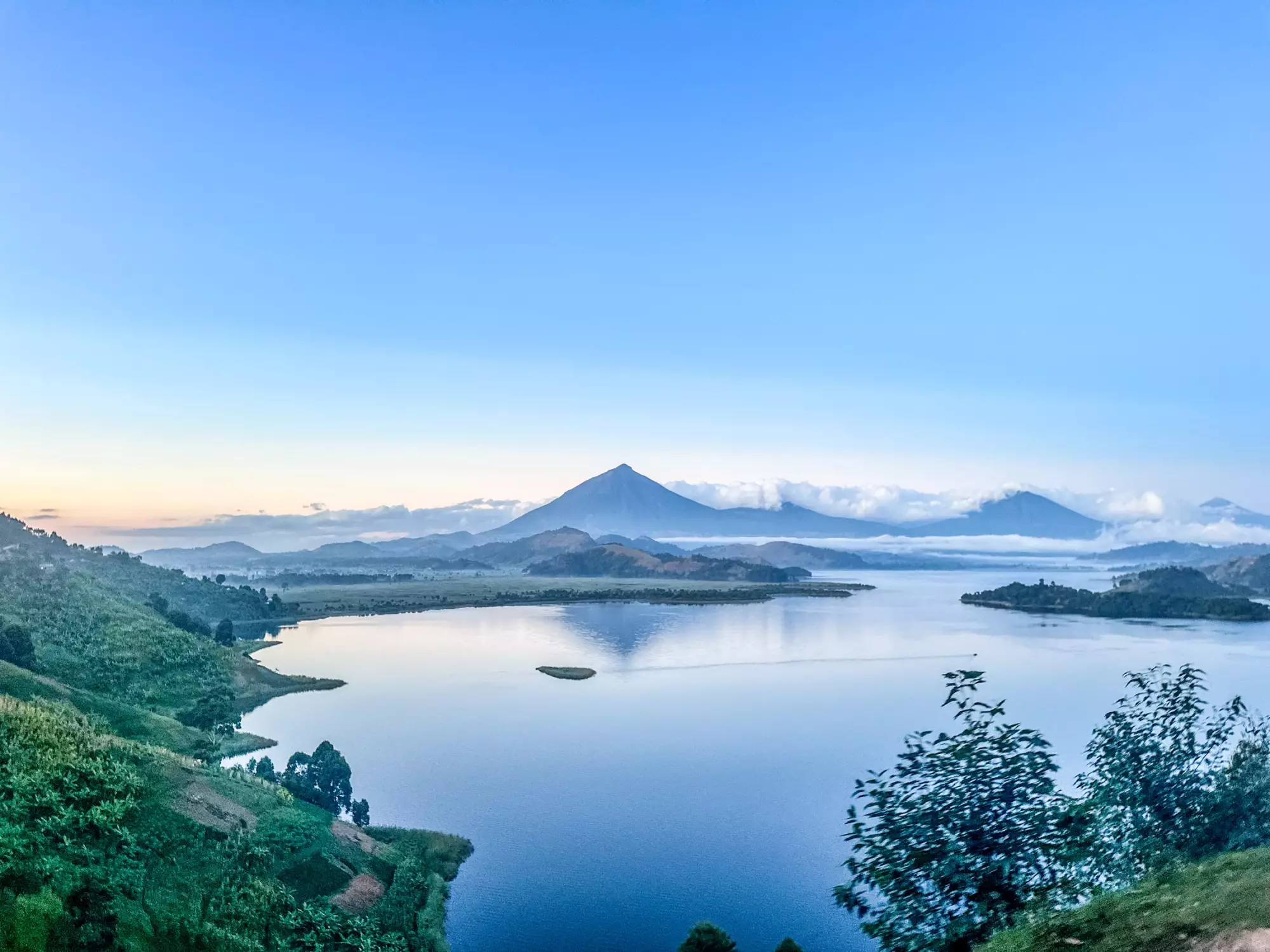
Our base was at Lake Mutanda. In our opinion, it is the most beautiful place in all of Uganda. The lake is dotted with small islands, framed by towering volcanoes and surrounded by green fields. It looked more like Asia than Africa. Thanks to its higher elevation, malaria was not a concern there, which was another advantage.
When we moved to Kampala for our final two nights, we could not pass up the opportunity to stop at the equator marker. Of course, a photo was mandatory! In the capital, we stayed in a small guesthouse with a family atmosphere. An amazing “African grandmother” did the cooking, and her homemade meals were the perfect ending to our journey.
Before our departure, we also managed to visit the Ziwa Rhino Sanctuary, home to white rhinos. Early in the morning, before the heat set in, we headed out on foot with a ranger. Standing just a few dozen meters away from a multi-ton giant is a feeling that cannot be described. Fortunately, this species is not aggressive, but our respect for them was immense.
Our final excursion was in search of the shoebill stork. This remarkable bird stands about 1.5 meters tall and has an enormous bill shaped like a shoe. No sooner had we set off than the rain started pouring down. We found the bird, but with everyone wrapped in raincoats and hiding under umbrellas, no one was particularly eager to get out. Still, we saw it—and that is what counts.
That afternoon, we boarded a flight to Tanzania, but that is another story. Uganda left a lasting impression on us—its gorillas, Lake Mutanda, rhinos, people, and atmosphere. It was a country full of contrasts and unforgettable experiences.
Our Tips
What to Visit: Lake Mutanda and Bwindi Impenetrable National Park, where you can take part in a gorilla trekking experience. Here are a few recommendations. Demand for gorilla treks is extremely high, so permits should be secured several months in advance. Visitor numbers are strictly limited, usually to 8–10 tourists accompanied by soldiers, conservation officers, guides, and porters, creating a group of approximately 20–30 people visiting a single gorilla family on any given day. Never forget to hire a porter. Even a small backpack filled with water and camera equipment can quickly become a heavy burden. Take photographs whenever possible—the one hour you are allowed to spend with the gorillas passes incredibly quickly. Make sure you are thoroughly familiar with your camera equipment beforehand, as once you reach the gorillas, there is no time to adjust settings or learn how your gear works.
Restrictions for Children: Gorilla trekking is only permitted for visitors aged 14–15 and above. It is also important to consider the risk of malaria and other tropical diseases. We recommend getting vaccinated against as many preventable diseases as possible, as illnesses in this region can be serious and medical care may be limited. We also strongly recommend purchasing Flying Doctors emergency evacuation insurance. If you are traveling from Uganda to another African country, you may be required to present proof of vaccination against yellow fever upon entry.
Food Tips: Try as much of the local African cuisine as you can, but be mindful of where you eat. We strongly recommend avoiding places with poor hygiene standards and street food stalls unless you are feeling particularly adventurous. Overall, Africa is known for its excellent creamy vegetable soups, which are definitely worth trying.
What Not to Do: Avoid places with large crowds, and do not buy anything from street vendors unless you are accompanied by a guide or driver. It is best to stay in a group or with a guide and, after dark, remain at your accommodation whenever possible. During gorilla trekking, strictly follow all instructions. Never look a silverback directly in the eyes, and under no circumstances should you run if a problem arises. You have no chance of outrunning a gorilla, and running may be interpreted as a signal that you need to be chased. When walking in nature, be alert for snakes. Whenever possible, stick to clearly visible and well-maintained trails.
Uganda is a country that captivates visitors with its beauty, diversity, and the resilience of its people. Its history, culture, and natural treasures attract travelers and explorers who wish to experience the full charm of Uganda in all its splendor.
More photos can be found at Gallery - Uganda