Spitsbergen - A Jewel in the Heart of the Arctic
Amid the cold waters of the Arctic, in the northeastern part of the Atlantic Ocean, lies the archipelago of Spitsbergen, also known in Norwegian as Svalbard, with Longyearbyen as its main settlement. This remote archipelago, which falls under Norwegian sovereignty, is one of the most breathtaking and harshest places on Earth. With its extraordinary nature and distinctive climate, Svalbard attracts adventurers, researchers, and nature lovers from all over the world.

Interesting Facts About Spitsbergen
No Man's Land
Around 3,000 people live on Spitsbergen. Norwegians make up a slight majority, but the population consists of as many as 55 nationalities. The main languages spoken here are Norwegian and English. The islands are also home to two Russian settlements, Barentsburg and Pyramiden, although the latter has been almost abandoned since 1998. Although Spitsbergen is administered by Norway, it is not the sovereign territory of any state. Because it is considered a territory belonging to “no one,” it is not possible to be born there and obtain Spitsbergen citizenship. Women travel to Norway or Russia to give birth and then return with their children. The same applies to deaths, although for entirely different reasons. The cemetery reached its capacity more than 70 years ago. In addition, due to the extremely low temperatures, bodies buried there do not decompose. Finally, because of ongoing global warming, the permafrost is beginning to thaw, causing old graves and coffins to gradually emerge from the ground, which has become a problem for local residents. Since the cemetery is located on a slope above the town, there is a concern that a coffin containing a perfectly preserved frozen body, pushed out of its grave, could eventually slide down onto the road.
The Kingdom of Polar Bears
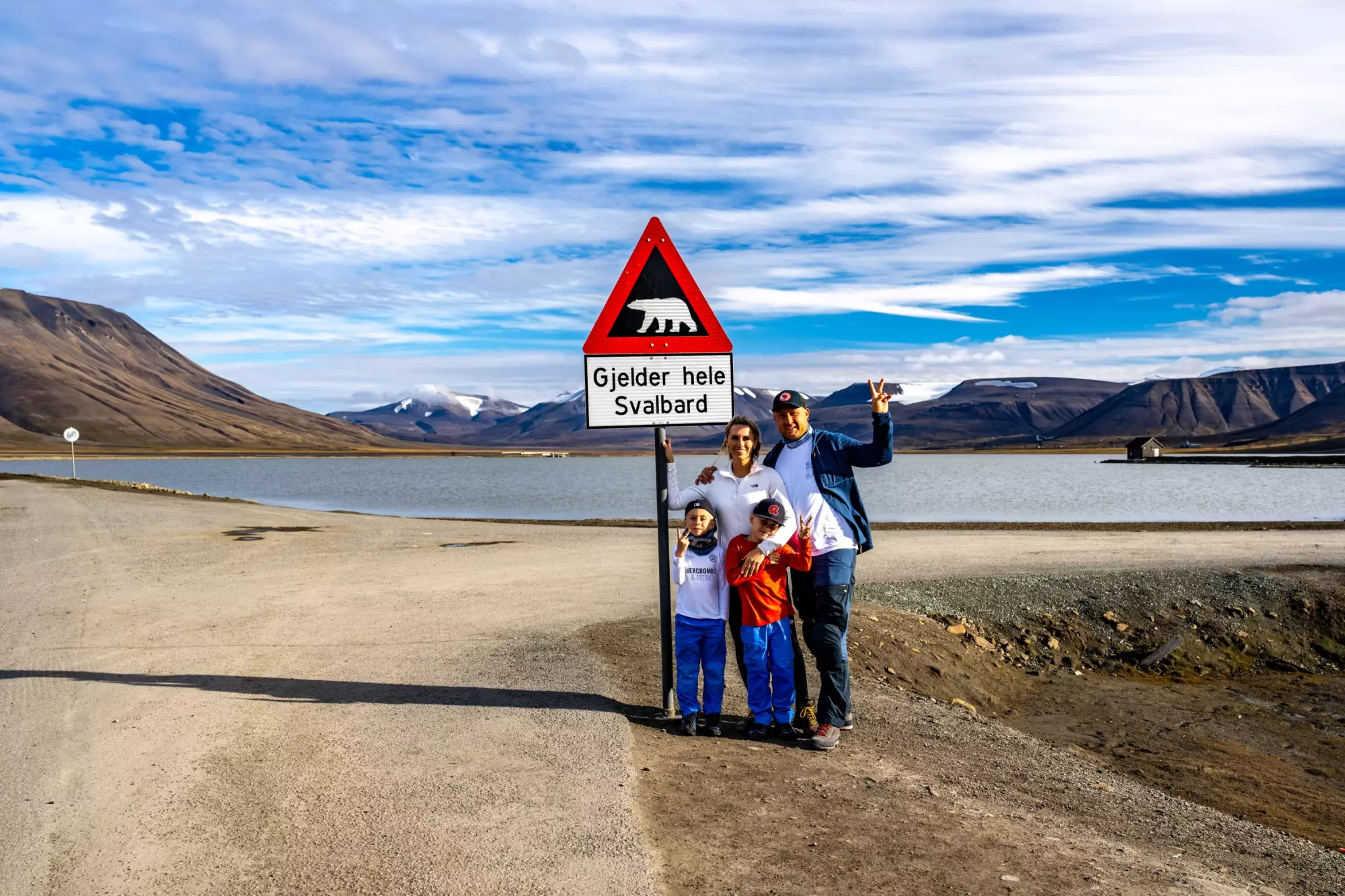
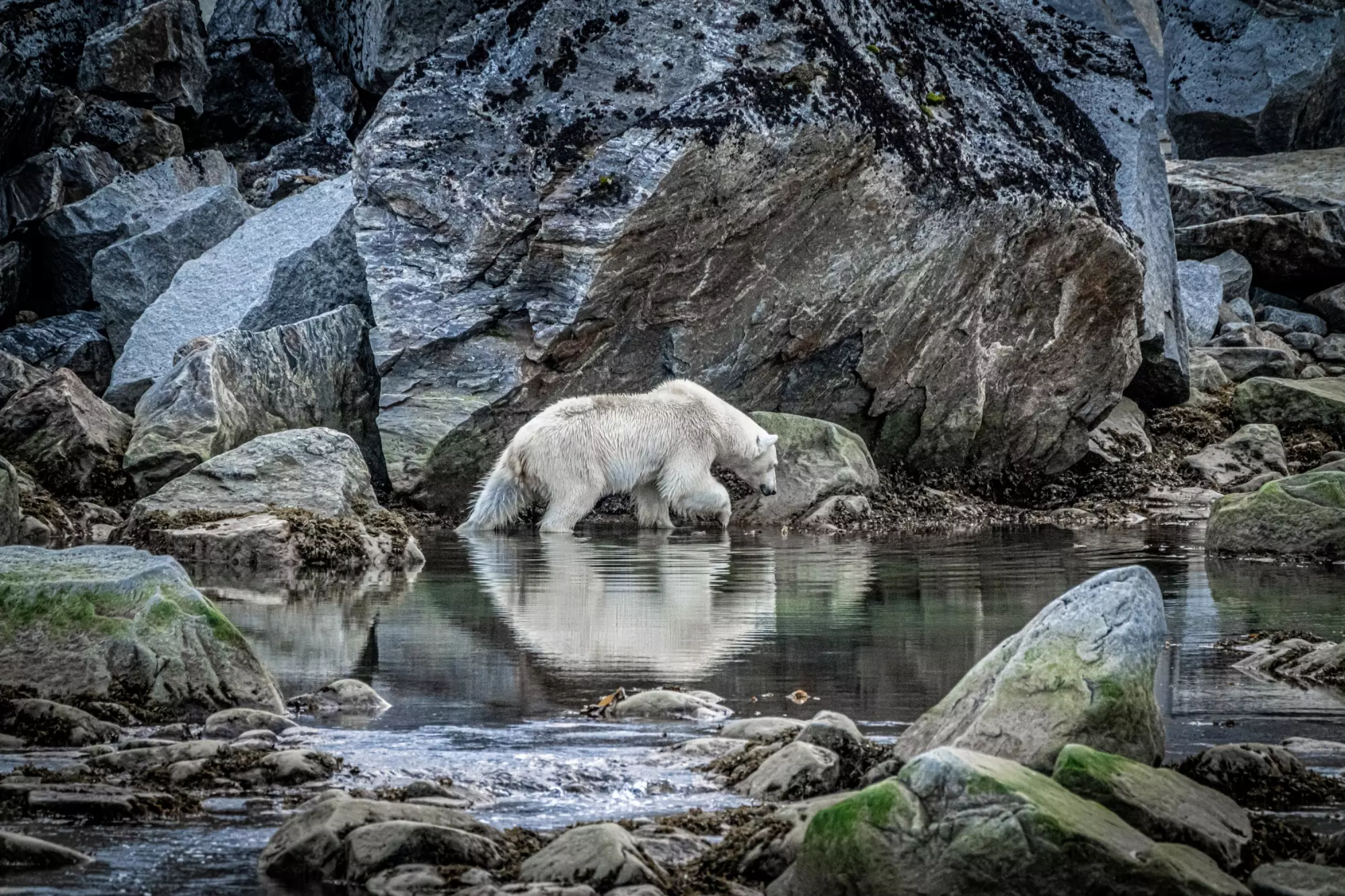
Spitsbergen is often referred to as the Kingdom of Polar Bears, and for good reason. These magnificent animals, which are unfortunately now highly threatened, roam throughout the entire archipelago. Encounters between polar bears and humans in the wilderness can often lead to dangerous situations. It is not uncommon for a hungry bear to wander into inhabited areas. The most dangerous time to encounter a polar bear is after winter, when it is hungry and therefore at its most aggressive. For this reason, carrying a rifle outside the town is mandatory. However, if you do encounter a bear, using the rifle is considered an absolute last resort. Any killing of a polar bear must be thoroughly explained and justified. Otherwise, you can expect serious consequences. Virtually everyone owns a firearm here, which is why you will often see signs at shops, restaurants, and public buildings stating that rifles are not permitted inside. During the winter months, when bears are most likely to enter the town, residents leave their cars unlocked. Can you guess why? Imagine you are on your way to work or school, it is dark all day long, and suddenly a polar bear appears in front of you. Where would you instinctively try to hide? In the nearest car, of course—and at that moment, it does not matter whether it is yours or someone else's. Speaking of darkness, Spitsbergen lies north of the Arctic Circle and therefore experiences both the polar night and the midnight sun. This means that the islands have four months of continuous daylight, four months of continuous darkness, and a relatively short transition period in between. During these transitions, the amount of daylight or darkness changes by approximately 20 minutes each day.
(Un)Ordinary Life in Longyearbyen
Houses in Spitsbergen are built on permafrost. This means they cannot have foundations embedded in the ground, which remains frozen to a depth of 10–40 metres. Instead, they stand on wooden or metal supports, raised several dozen centimetres to a metre above the ground. During the summer, streams of meltwater from nearby slopes often flow beneath them. Most houses are brightly coloured, helping to break up the monotony of the surrounding landscape. There are no gardens and no fences around the homes. So what do people do if they own a dog? The residents have found a solution. On the edge of town, they built what could best be described as a dog settlement. Imagine a fenced area filled with dozens of kennels, arranged side by side and even stacked on top of one another. Owners visit their dogs whenever they wish, take them for walks, spend time with them, and then return them to their kennels before heading back to their apartments in the evening. It may not be the ideal arrangement for either the owners or the dogs, but that is simply how things work there. This canine neighbourhood does, however, provide a strategic advantage for birds. Since there are no trees in Spitsbergen, birds must nest on the ground in the grass, making both the birds and their eggs easy prey for another local predator: the Arctic fox. Yet there is one place the fox is reluctant to enter, despite the abundance of potential food. It is the area where the barking of dozens, perhaps even hundreds, of dogs echoes day and night. As a result, birds are particularly fond of nesting in the meadows right next to their canine neighbours. And because we are truly in the far north, larger dog breeds are especially common here. You will also find husky farms offering dog-sledding excursions. Most of these farms keep Alaskan Huskies, which are considered much smarter and harder-working than the more widely known Siberian Huskies. And how can you tell an Alaskan Husky apart? That is a good question. To the untrained eye, it is not easy, as every dog looks unique. They vary greatly in size, body structure, and coat colour. These dogs require daily exercise. In winter they pull sleds, and in summer they are harnessed to wheeled carts. They love cold weather and do not enjoy summer temperatures of around 20°C, which are considered almost tropical here, as they can easily overheat while working. These loyal companions usually retire at around eight years of age. Afterwards, they can be adopted, even by people living abroad. You can also meet some of them at Cafe Huskies Svalbard in Longyearbyen, where several retired dogs live. Visitors can cuddle and spend time with them—provided the dogs are in the mood. One more thing, when visiting a restaurant, café, or museum, it is often customary to remove your shoes at the entrance. Some places do not require this, while others provide shoe covers instead. And while we are talking about pets, what about cats? If you lived in Spitsbergen and wanted to keep a cat, you could forget about it. Cats are prohibited here because of their passion for hunting birds, which are highly protected on the islands.
Our Trip To Spitsbergen
Length of Stay: 9 nights – August 2022 (children aged 6 and 7)
Accommodation
Funken Lodge – Longyearbyen (5 nights)
MS Nordstjernen – cruise to the 80th parallel north (4 nights)
Restaurants:
Funken Lodge Hotel
Kroa Restaurant
Stationen Restaurant
Cafe Huskies Svalbard
MS Nordstjernen
This entire adventure began in the comfort of our home, sitting at a computer and carefully planning every detail. We had to arrange flights, accommodation, and also decide what we would do once we got there.
Four days were spent on land, trying out everything Spitsbergen had to offer. Dad went on an ATV excursion—children were not allowed even as passengers, so the rest of us spent the time exploring the town. Together, we visited the Svalbard Museum, enjoyed coffee at Café Huskies with its beautiful and friendly huskies, and took a boat trip to observe whales and seabirds. But the greatest experience was still ahead of us: dog sledding.
We arrived at the kennel feeling confident that we knew what to expect. We had ridden on dog sleds before. Then the guide announced, “You will be driving your own team.” She divided us into pairs and began explaining how to assemble our own sled teams. Each team consisted of six dogs. We picked them out from among dozens of barking, excited animals, unclipped them from their chains, and harnessed them. The dogs leaped into the air with excitement while the others encouraged them with enthusiastic barking—noise, energy, and chaos everywhere. Suddenly, we were standing behind our own dog teams, waiting for the signal to go.
Release the brake, and off we went. Driving turned out to be surprisingly simple—the dogs knew exactly what they were doing, and the guide rode ahead, leading the way. The only important thing was to keep a close eye on the brake whenever we stopped, otherwise the team would take off on its own. At one point, dogs from another team ahead of us started fighting, and within seconds every other dog wanted to join in. That was when we really had to throw our full weight onto the brake. Six dogs can generate an incredible amount of power and will pull you away without hesitation. It was an adrenaline-filled experience, but everything ended well. Most importantly, it became a memory we will never forget.
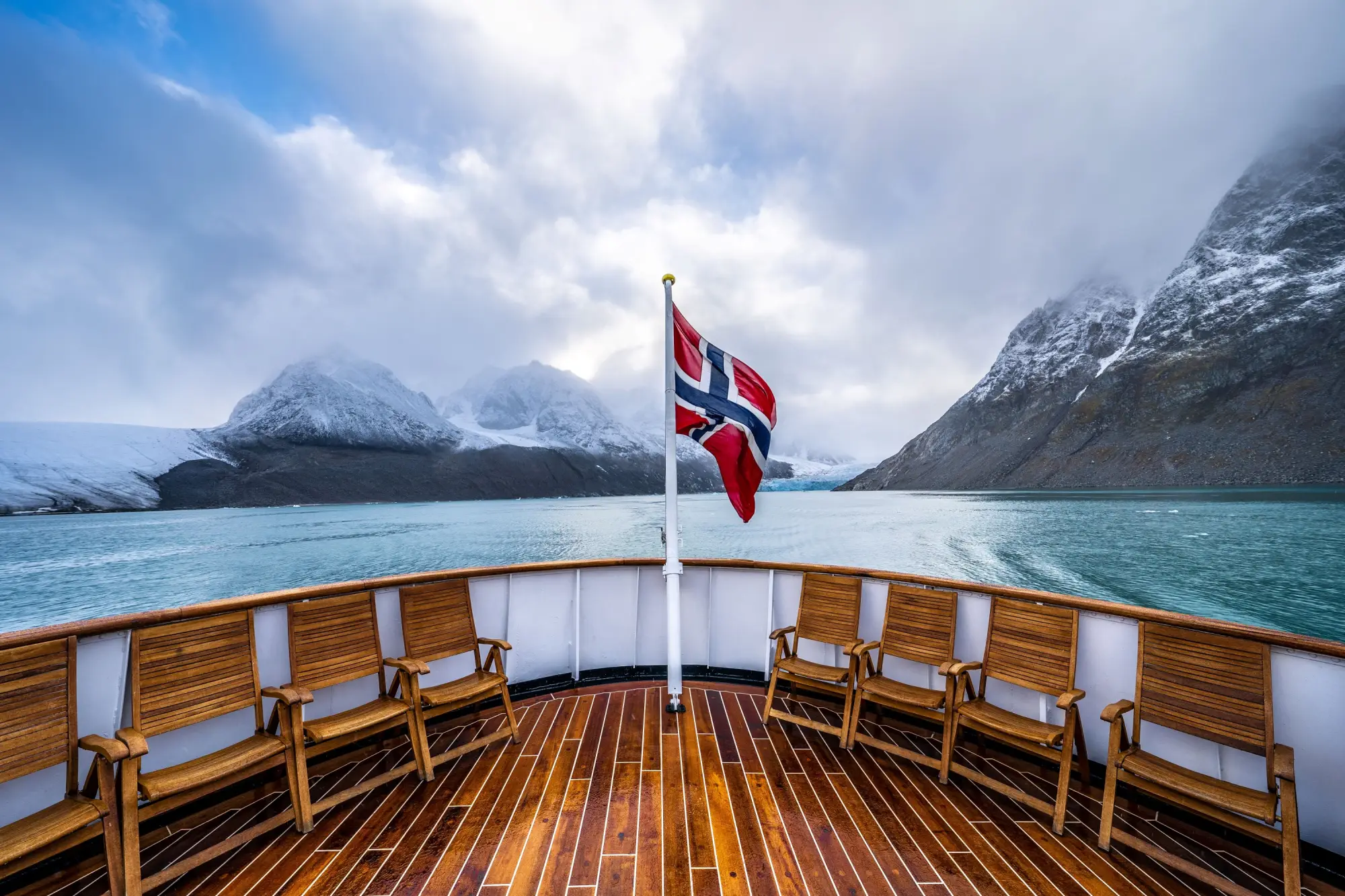
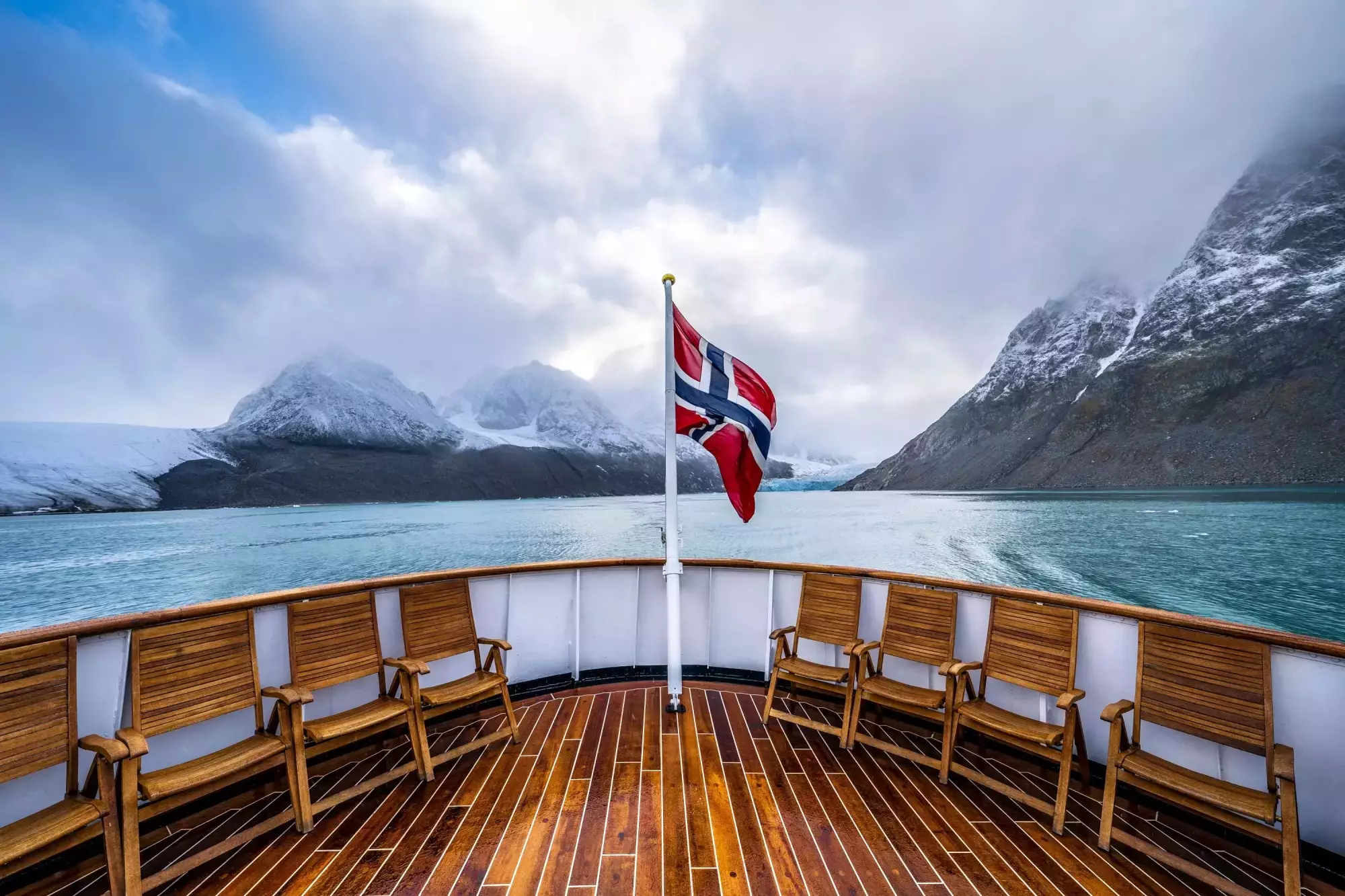
Since there are no roads beyond the town limits in Spitsbergen, we had to find another way to explore the more remote parts of the archipelago. We chose a ship. Hurtigruten offers a four-day voyage aboard the historic mail ship Nordstjernen, built in 1920. The route runs from Longyearbyen to the island of Moffen, beyond the 80th parallel north, and back again. After checking in at the harbour and a short wait, we were already carrying our luggage to our cabins.
The cabins? Two small twin cabins with round portholes just above the waterline. No balconies, no extra space—you felt as though you had stepped into a museum and travelled back several decades in time. Yet that was part of the charm. Having a private bathroom felt like a luxury we had not expected. After departure came the mandatory safety briefing, and then everyone settled into life on board. Breakfast was served buffet-style, while lunch and dinner were chosen from menus offering two or three options.
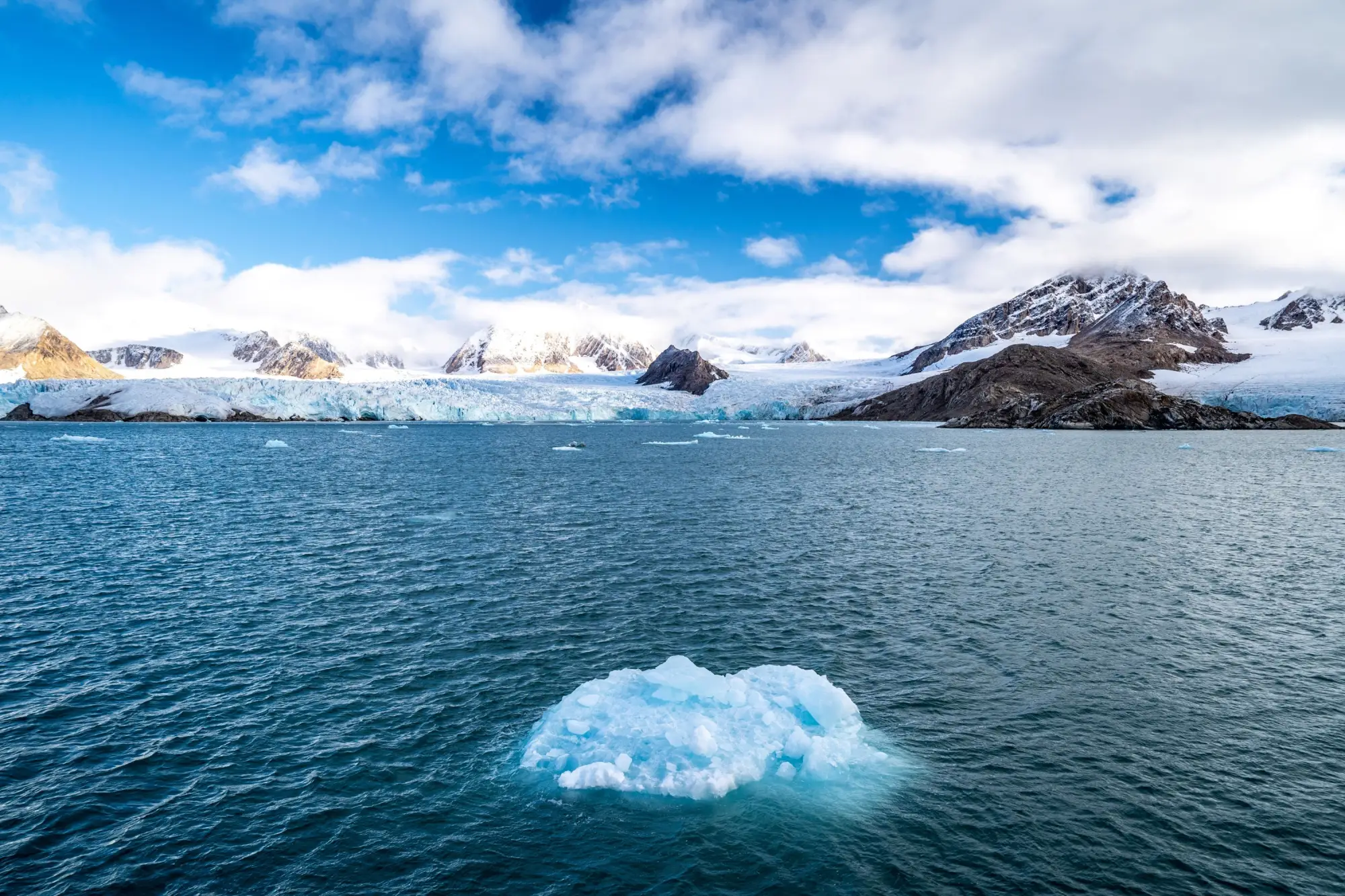
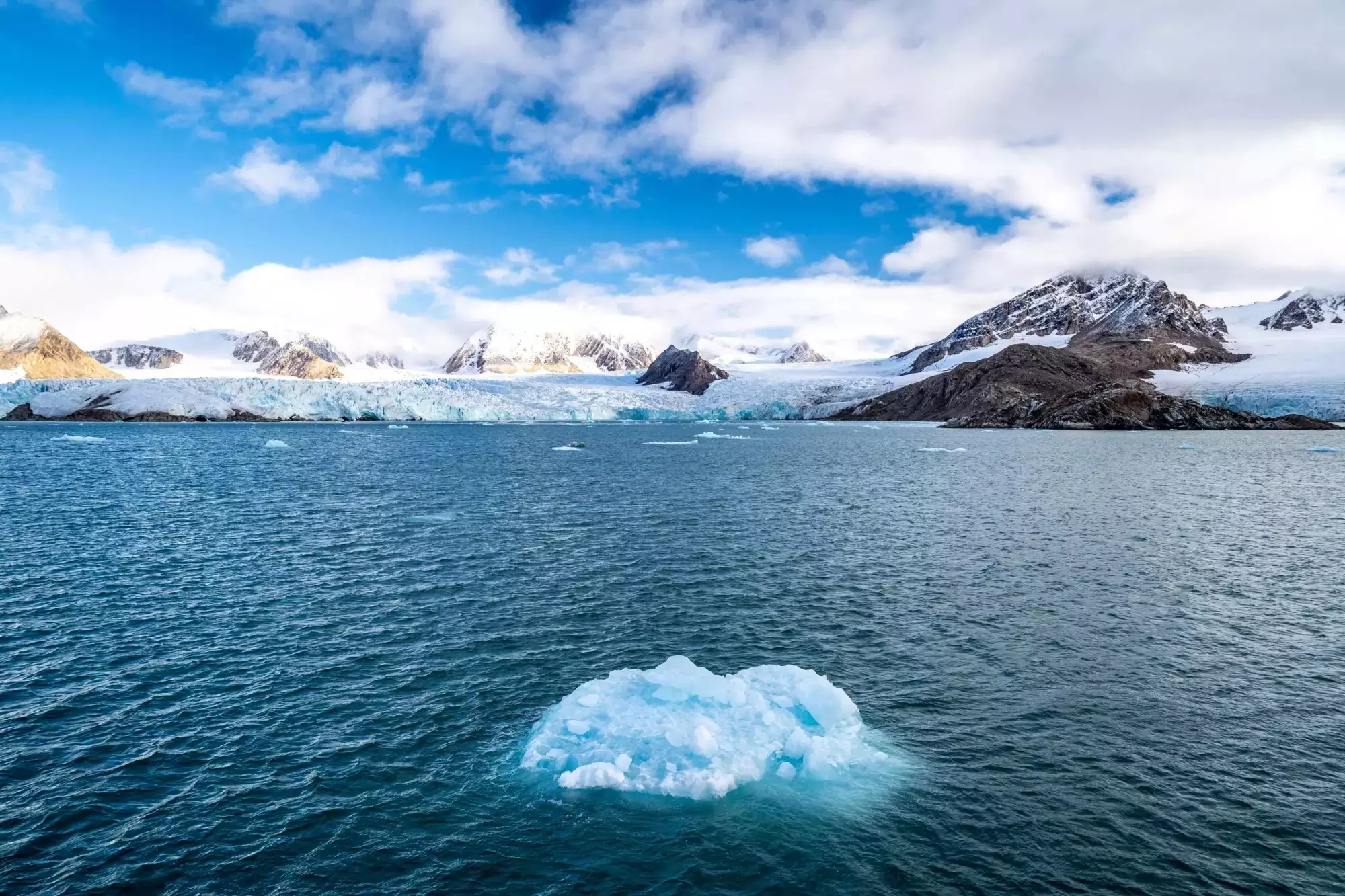
The first night was difficult. The ship sailed continuously, the sea was calm, yet sleep simply would not come. The next morning, we stepped onto the deck and were greeted by a breathtaking sight—a fjord covered in fresh snow, sunlight breaking through the clouds, and mountains dusted in white all around us. Winter was making its presence felt.
Each day included two landings ashore. The ship anchored offshore, we climbed down into small boats, and then headed to land. Life jackets had to be worn at all times in case a rapid evacuation became necessary due to a polar bear sighting. The excursions depended entirely on the weather. The voyage before ours had been unlucky—seven-metre waves, seasick passengers, only two landings, and not a single polar bear sighting. We, however, were fortunate: calm seas, sunshine, occasional light snowfall—and four polar bears.
I remember one evening during dinner when an announcement came from the bridge: “There is a female polar bear with a cub on the shoreline.” Instantly, everyone dropped their cutlery and rushed onto the deck. Seeing them with the naked eye, only a few hundred metres away, was the moment we had been hoping for all along. It gave us goosebumps.
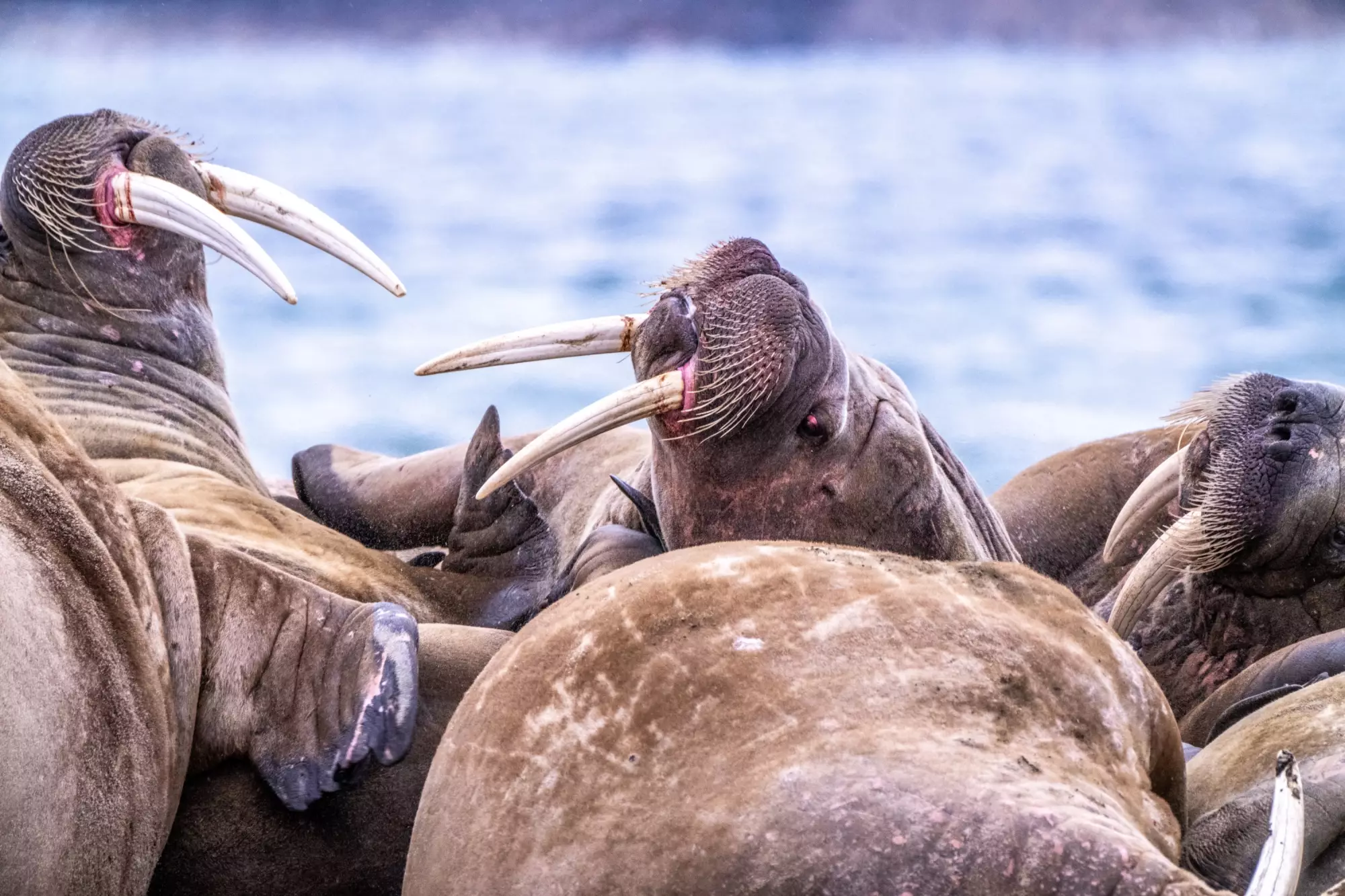
On another occasion, we anchored near a small island inhabited by a walrus colony. We had to move quietly and respectfully. The animals were lying on top of one another, and whenever one shifted awkwardly, grumbling and arguments erupted among them. And the smell! Yet it was absolutely fascinating.
At other stops, we explored the landscape, old mining sites, and reminders of the archipelago’s history. The highlight of the voyage was crossing the 80th parallel north. As the ship circled the island of Moffen, everyone gathered on deck. We raised glasses of sparkling wine and savoured the extraordinary feeling of being so close to the North Pole.
Our final stop was the settlement of Ny-Ålesund, the northernmost inhabited place in the world with its own post office. We mailed postcards, wandered through the tiny settlement, and then the ship began its journey back to Longyearbyen. The next morning we arrived in port, enjoyed a few final hours ashore, made one last visit to Café Huskies, and then boarded our flight to Tromsø.
There was only one thought on our minds: one day, we have to come back.
Our Tips
What to Visit: Dog lovers should definitely visit a husky farm and the dog café, and if you want to see polar bears, a boat trip is well worth it. The longer the cruise, the greater the chance of spotting one of these white furry giants.
Restrictions for Children: Apart from the ATV tours, we did not encounter any restrictions. The most important thing is to know in advance what kind of weather to expect. Even in summer, temperatures can be quite low, and it can be windy on boats, so make sure to bring appropriate clothing. Getting around the town is easy. It is small, and everything can be reached on foot. Outside the town, however, it is advisable to travel only with a guide, as they will be armed. During the summer, daylight lasts around the clock, so no matter what time you walk through the streets, there is always enough light to see your way. Hotels and other accommodations are equipped with blackout curtains, so do not forget to close them before going to bed. In our experience, during the period of the midnight sun, we all tend to stay awake two to three hours longer than usual.
Food Tips: Restaurants serve both traditional Norwegian cuisine and international dishes. Although you will not find a large number of restaurants here, you can certainly enjoy some excellent meals. Our personal favorite was the Norwegian Skagen toast—shrimp in mayonnaise flavored with lemon and sometimes dill, served on a bed of lettuce and topped with an egg, either in a bowl or on toast. You should also definitely try a salmon soup or another fish soup. As for restaurant recommendations, we unfortunately did not have the chance to try many of them, but the place we enjoyed the most was Stationen Restaurant.
It is impossible not to note that the islands of Spitsbergen are a truly unique part of the world, captivating visitors with their wild beauty. Their icy mountains, mysterious fjords, and remarkable diversity of Arctic wildlife and plant life leave a lasting impression on all who visit. However, Spitsbergen is not only about observing natural wonders. It is also a testament to human courage and determination to adapt to the extreme conditions of life in the Arctic. These islands remind us that even in the harshest corners of the world, we can find strength, beauty, and inspiration.
More photos can be found at Gallery - Spitsbergen