Faroe Islands - Sheep Paradise
Welcome to the Faroe Islands, a fascinating Nordic destination known for its cool climate and unspoiled natural beauty. Located in the North Atlantic, roughly halfway between Scotland and Iceland, these islands are renowned for their endless green landscapes, dramatic cliffs, and rich ecosystem. The Faroe Islands are a self-governing part of the Kingdom of Denmark and consist of 18 main islands along with numerous smaller islets, together forming a unique and picturesque corner of the world.

Interesting Facts About Faroe Islands
Breathtaking scenery
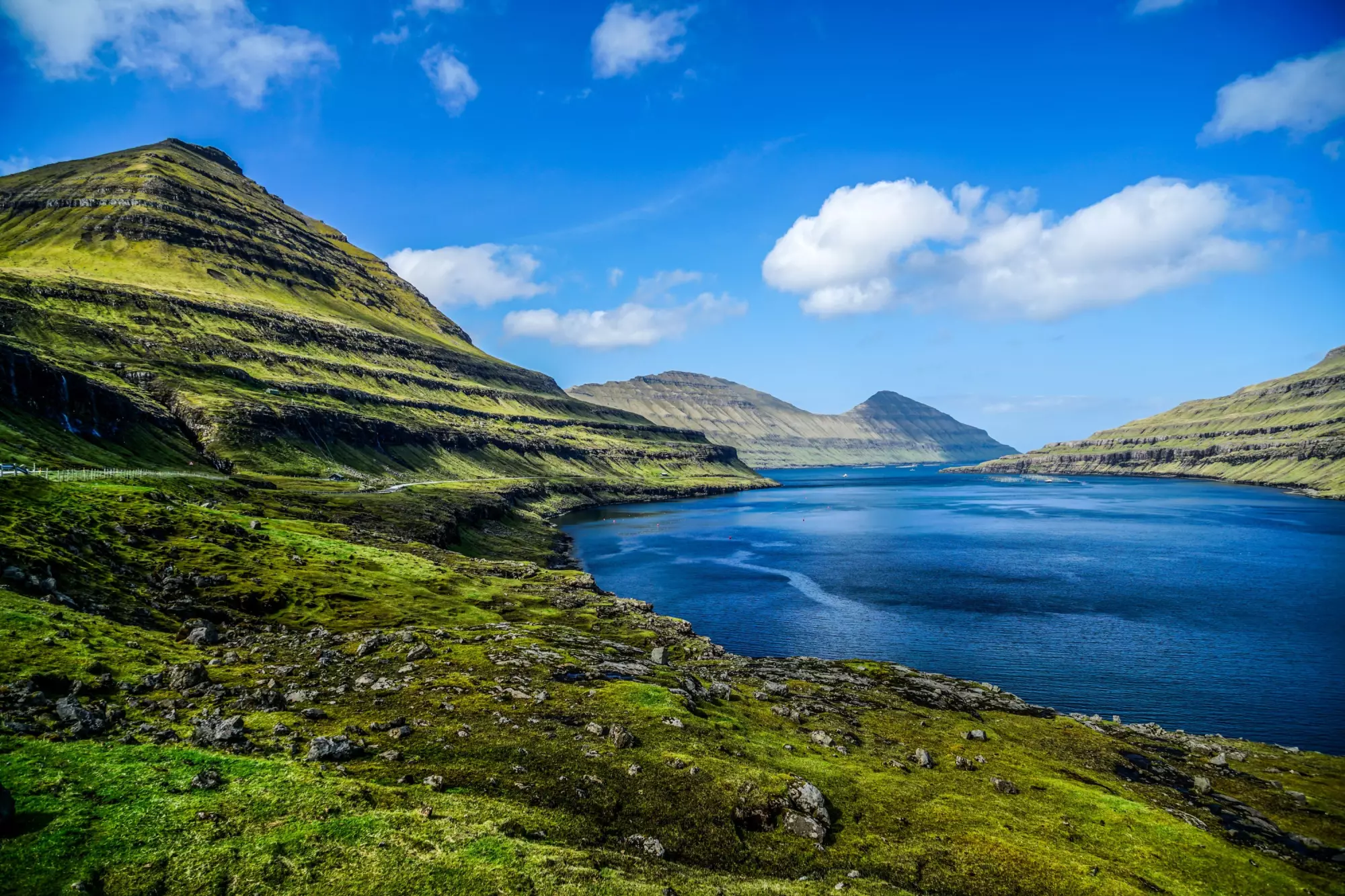
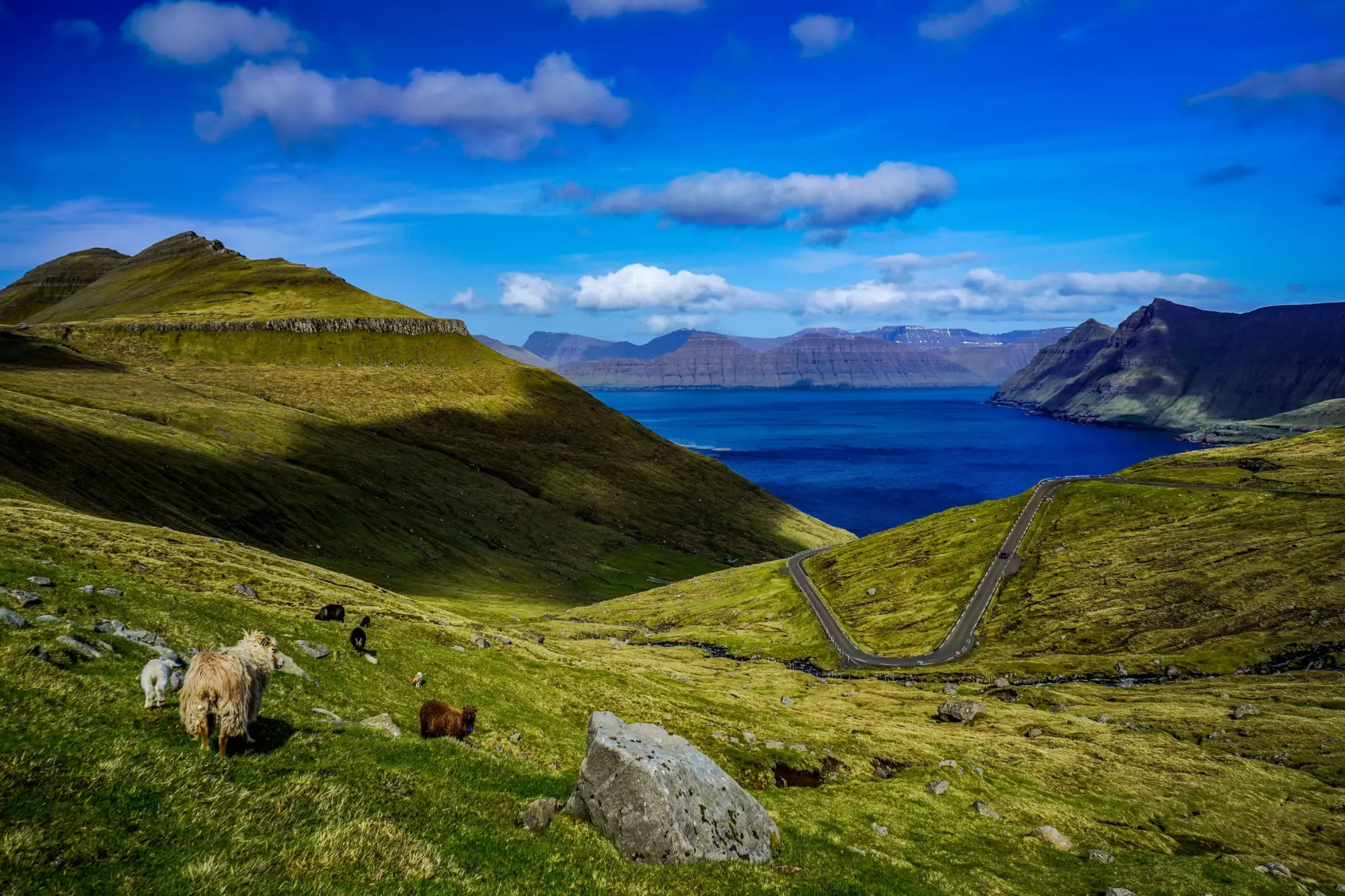
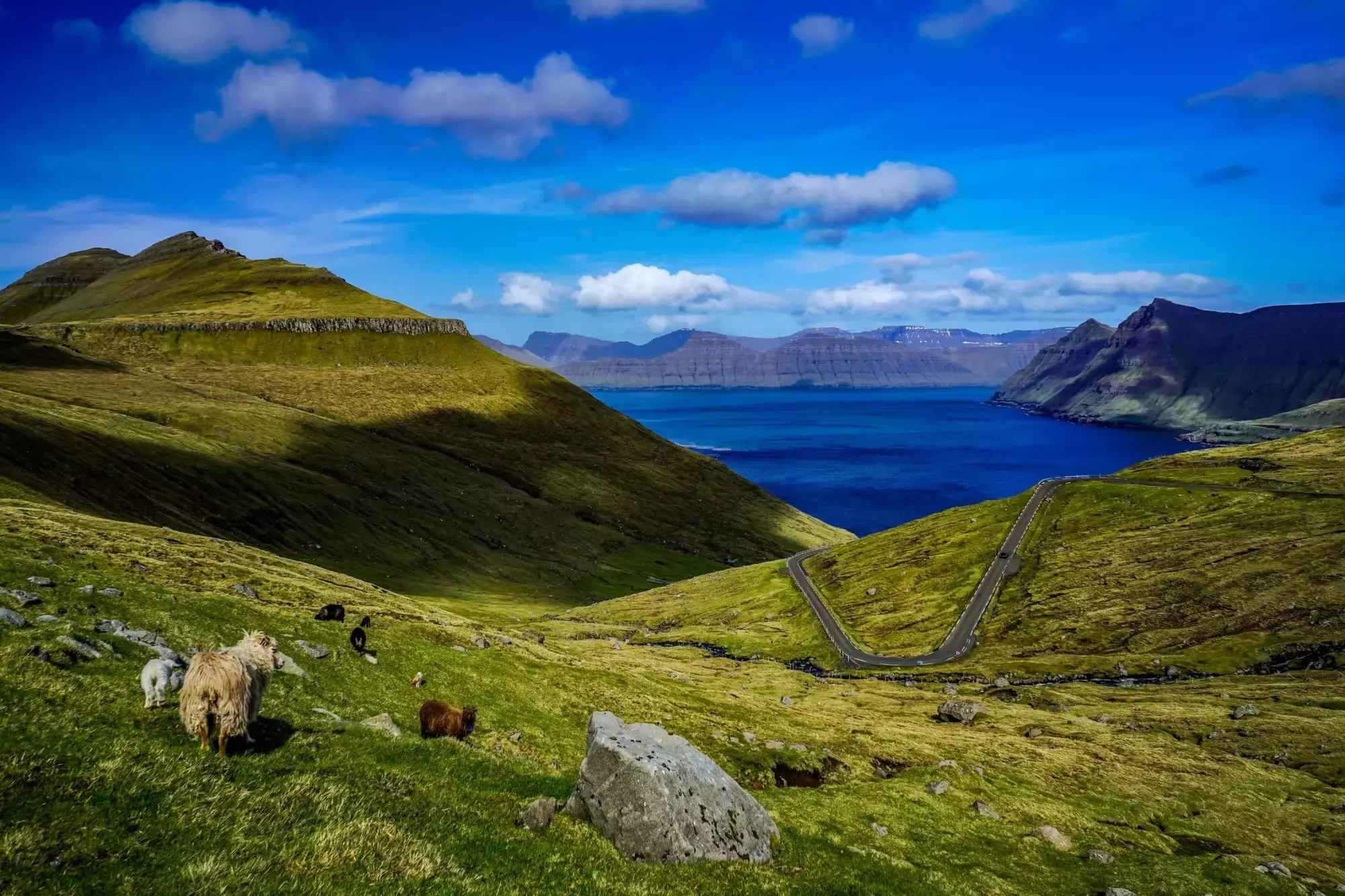
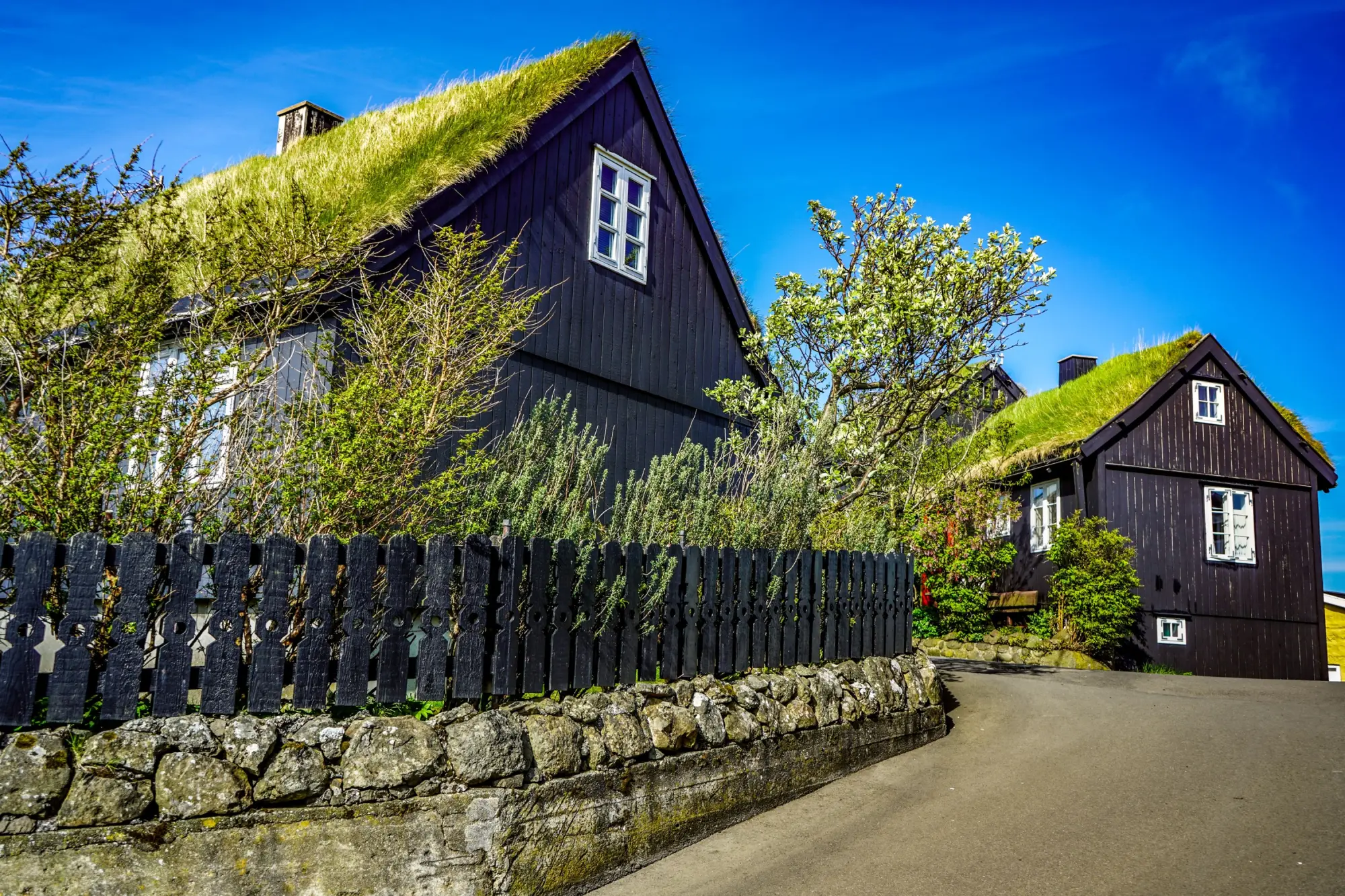
The Faroe Islands literally mean “Sheep Islands,” a name derived from the fact that more sheep live here than people. The islands are covered mainly by pastures, where lush green meadows alternate with impressive cliffs plunging into the sea. This unique contrast provides a habitat for various bird species, including the iconic and charming puffins. For outdoor enthusiasts, these islands are a paradise for hiking. Only some of the islands, mainly the largest ones, are accessible by car. They are connected by tunnels, bridges, or roads built on causeways. The remaining islands can be reached either by ferry or by helicopter. The local people live largely in harmony with nature, and nobody is in a hurry. Traditional stone and wooden houses with grass-covered roofs give the islands their distinctive charm and authenticity.
Culinary Experiences
Faroese cuisine is just as authentic as the landscape itself. Among the national dishes is Skerpikjøt, wind-dried mutton that acquires its distinctive flavor through the drying process in the islands' windy climate. Dried fish, such as cod and herring, are also popular and are often served spread with butter. And let's not forget the puffin, which may also appear on the menu. The local people also hunt whales. Every year, several hundred pilot whales are killed during a hunt known as the Grindadráp. Today, this practice is considered barbaric by many, especially animal rights advocates, but for the Faroese it is a tradition and an important part of their way of life. The whales are not killed for the sake of hunting itself; nearly every part of the pilot whales is used, from the meat and fat to the internal organs. The meat obtained is, for the most part, not sold, and local residents share it among themselves.
Our Trip To Faroe Islands
Length of Stay: 3 nights – May 2018 (without children)
Accommodation: Guesthouse on the outskirts of Tórshavn
Restaurants:
KOKS (currently closed)
THE TARV Grillhouse – Tórshavn
Angus Steakhouse – Klaksvík
We traveled to the Faroe Islands on our own, without the children. It was a conscious decision – they were still very young at the time, unable to walk long distances, and bringing a stroller would have turned the trip into more of a nightmare than a vacation. We already knew that the terrain would not be particularly family-friendly: hiking routes often lead only across fields, muddy and uneven, without any proper paths. Add fog, rain, and constantly changing weather, and it was clear that it was not yet the ideal destination for a family trip.
We explored the islands by car. It gave us the freedom to discover Vágar, Streymoy, Eysturoy, Borðoy, and Viðoy. The tunnels here are nothing like those back home – they are raw passages carved through the rock, sometimes with only a single lane. We had hoped to visit Mykines, home to the largest puffin colony in the Faroes, but the weather did not allow it. Even so, we were fortunate enough to spot a few of these beautiful birds during our hikes. Sheep, on the other hand, were everywhere. Often standing calmly in the middle of the road, they set the pace of the journey rather than us.
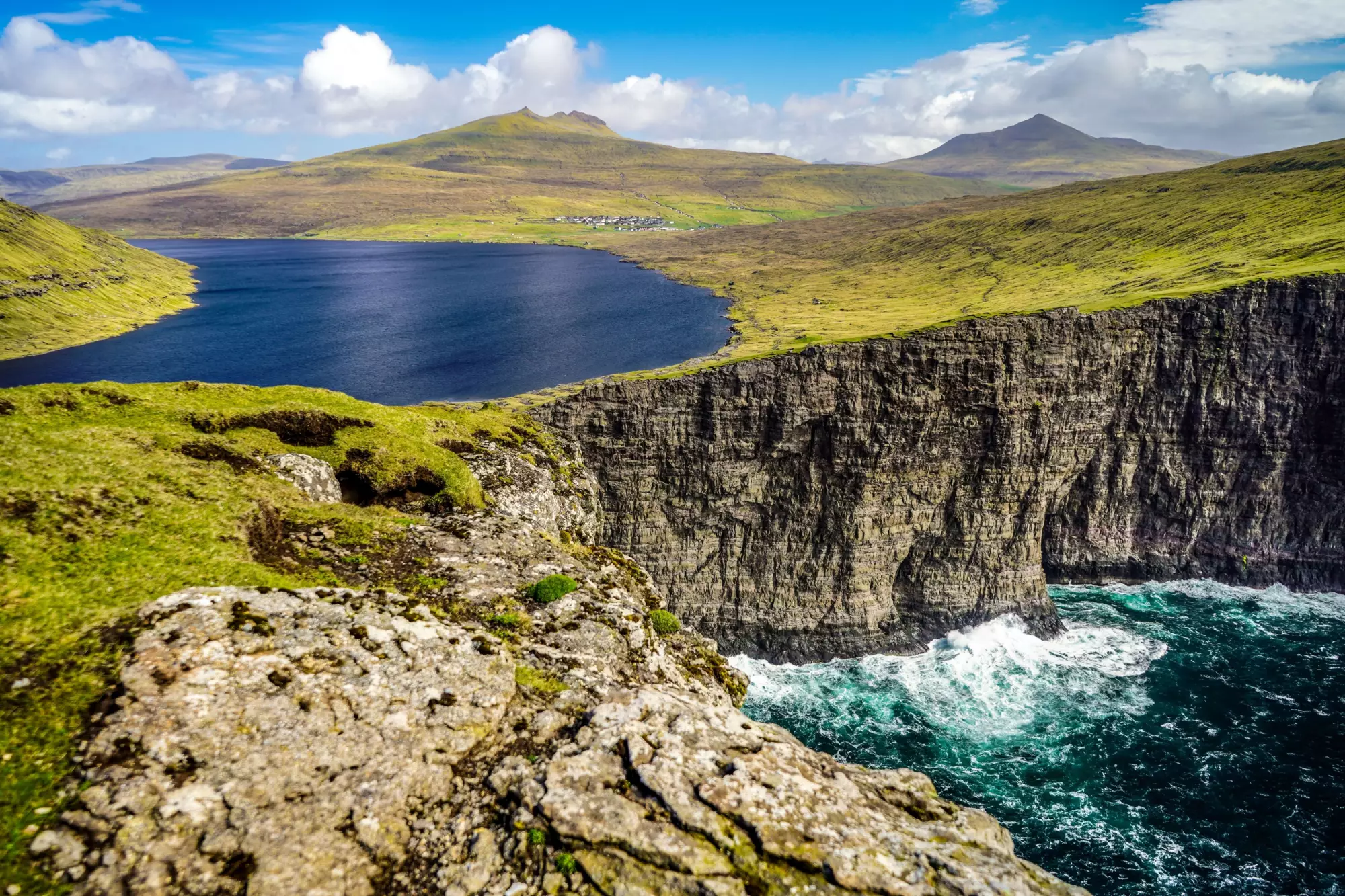
On Vágar, the island where all flights arrive, we were welcomed by the wild beauty of Múlafossur. The wind was so strong that it scattered the waterfall in every direction, while rain lashed against our faces. When the weather improved a little, we set out on the hike to Lake Sørvágsvatn. The eight-kilometre round trip included some challenging sections, but it was well worth the effort. At the Trælanípa viewpoint, we were rewarded with one of those views that stay with you forever – a lake seemingly suspended above the ocean, with the Atlantic stretching far below.
We also treated ourselves to a boat trip along the coast. Sailing through the fjord was peaceful, but as soon as the boat reached the open sea, the experience turned into an adrenaline-filled adventure. The waves were not particularly high, but they were powerful enough to rock the boat from side to side. We spent more time trying to keep our cameras dry and ourselves upright than watching the seabirds on the cliffs. It felt more like a voyage of survival than a romantic cruise, but we made it back safely. Afterwards, we drove to the village of Bøur, where a small waterfall cascades down the hillside right beside the road.
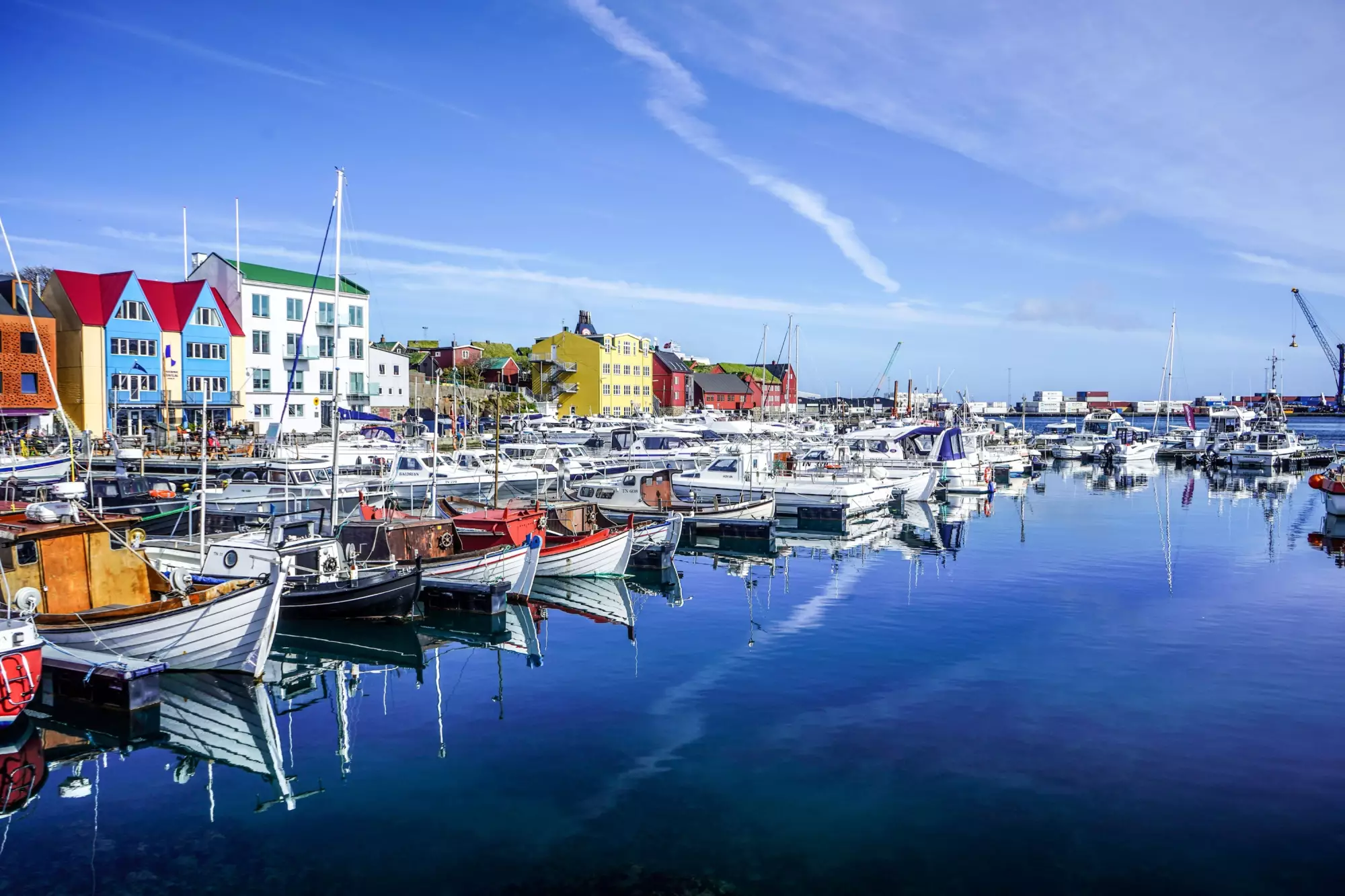
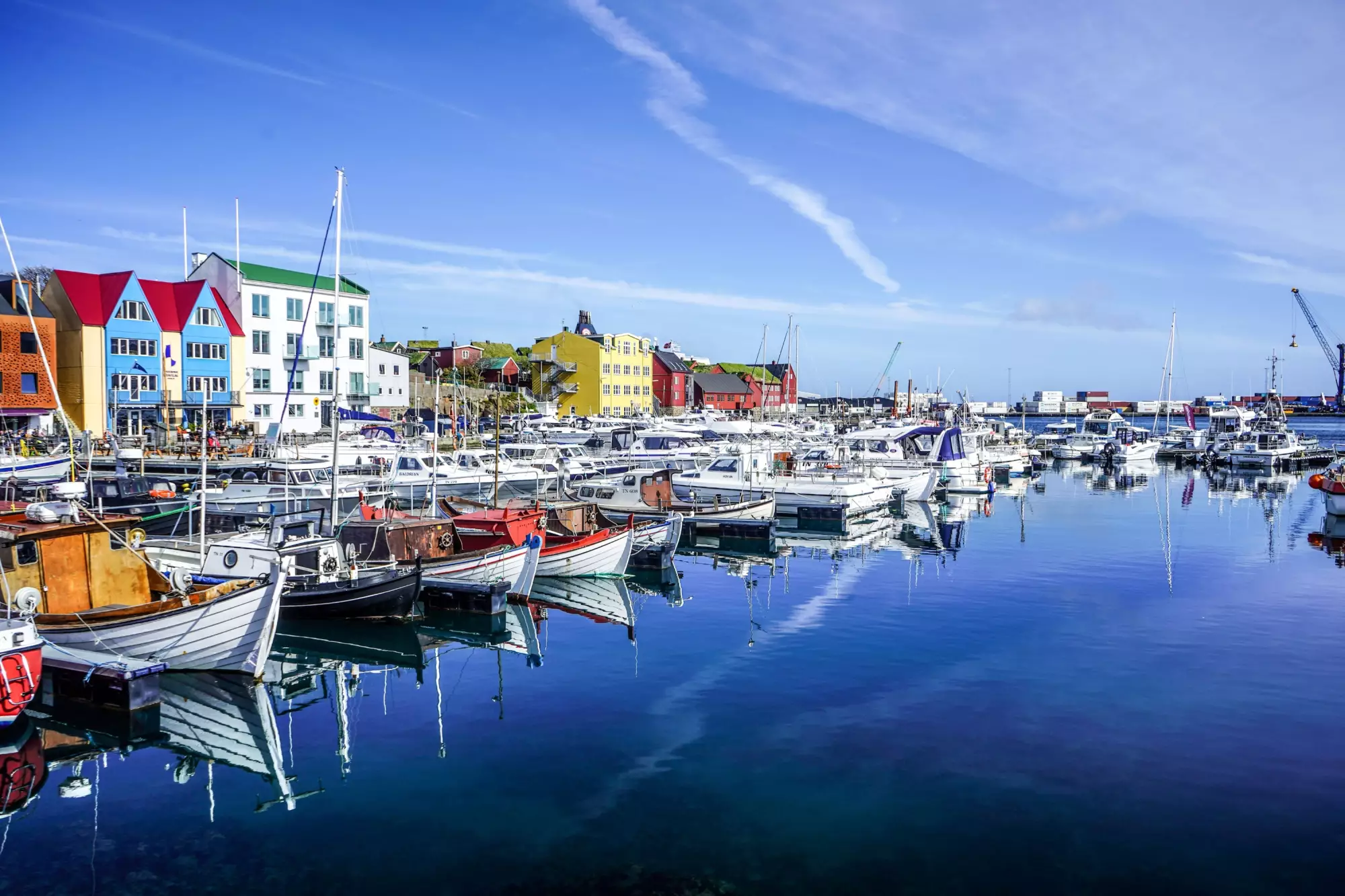
Our base was on Streymoy, home to the capital, Tórshavn. The harbour town has a warm and welcoming atmosphere, with colourful houses, relatively few tourists, and, whenever the sun appears, an almost fairy-tale charm. In the north of the island, we visited the village of Saksun – home to just ten residents, a small church, and traditional grass-roofed houses. It looked as though it had stepped straight out of a postcard. And because every journey should include memorable food, we treated ourselves to dinner at KOKS, the two-Michelin-starred restaurant. In the middle of nowhere, in a place where almost nothing grows, we were served a tasting menu featuring puffin, dried cod, and butter foam. It was an outstanding experience, although the restaurant has since left the Faroe Islands and relocated to Greenland.
On Eysturoy, we headed north to the village of Gjógv, famous for the gorge that shares its name. Standing high on the cliffs and watching the sea crash against the neighbouring island was a fascinating sight.
We only passed through Borðoy, but our stop in Klaksvík, the second-largest town in the Faroes, was well worth it. A burger and steak at Angus Steakhouse were exactly what we needed. Interestingly, Borðoy has only been connected to Eysturoy by tunnel since 2006.
Viðoy, the final island on our journey, is served by a single road that circles the island. We drove along it, stopping by fjords, admiring the dramatic cliffs, and simply soaking in the peace and quiet. After that, it was time to return to Tórshavn.
We spent only a few days in the Faroe Islands, but we tried to make the most of every moment. They are the kind of islands that capture your heart, even while soaking you to the skin.
Our Tips
What to Visit: Be sure not to miss the village of Saksun, Lake Leitisvatn perched on the edge of a cliff, and the Múlafossur Waterfall. If possible, visit the island of Mykines between May and August, when puffins are nesting there. All of these places are best experienced in good weather.
Restrictions for Children: Hiking routes often lead only across uneven and waterlogged fields, without any roads or established trails, making them unsuitable for strollers or very young children. However, if you avoid these hikes, there is no problem bringing children of any age along.
Food Tips: If you are a fan of mutton and lamb, you have come to the right place. If not, you will still find plenty of delicious options to enjoy. Be sure to try dried cod served with butter, and if you have the opportunity, taste puffin as well. In Tórshavn, stop by THE TARV Grillhouse for lunch, where they serve excellent baguettes with a variety of meats.
The Faroe Islands offer a unique combination of natural beauty and a traditional way of life. For those seeking adventure as well as relaxation far from the hustle and bustle of city life, these Sheep Islands provide an exceptional retreat.
More photos can be found at Gallery - Faroe Islands